We accept:


 01706 214 233
NVIDIA gaming PCs built around GeForce RTX graphics, mostly 50 series with 30 series cards at the entry end. The range runs from 1080p machines on an RTX 5050 or 5060 through to 4K builds on a 5080 or 5090, paired with either AMD or Intel processors, so the card does not decide the rest of the specification.
All are hand built and tested here in the UK, ship with Windows 11 installed, and come with a 3 year warranty as standard. Next day systems are in stock, express systems dispatch in 3 to 5 working days, and custom builds take 6 to 8.
Get CONTROL Resonant bundled with all qualifying systems, including those featuring the RTX 5070, RTX 5070 Ti, RTX 5080 and RTX 5090
Creating an account has many benefits: check out faster, keep more than one address, track orders and more.
Every machine here pairs an NVIDIA graphics card with either an AMD or Intel processor, so the card brand does not decide the rest of the build. Most are RTX 50 series, with 30 series cards at the entry end. The range covers competitive 1080p through to 4K.
All are hand built and tested here in the UK with a 3 year warranty as standard.
Start from the resolution you play at. The model number tells you less than people expect, and a card two tiers up makes no difference if the screen cannot show it.
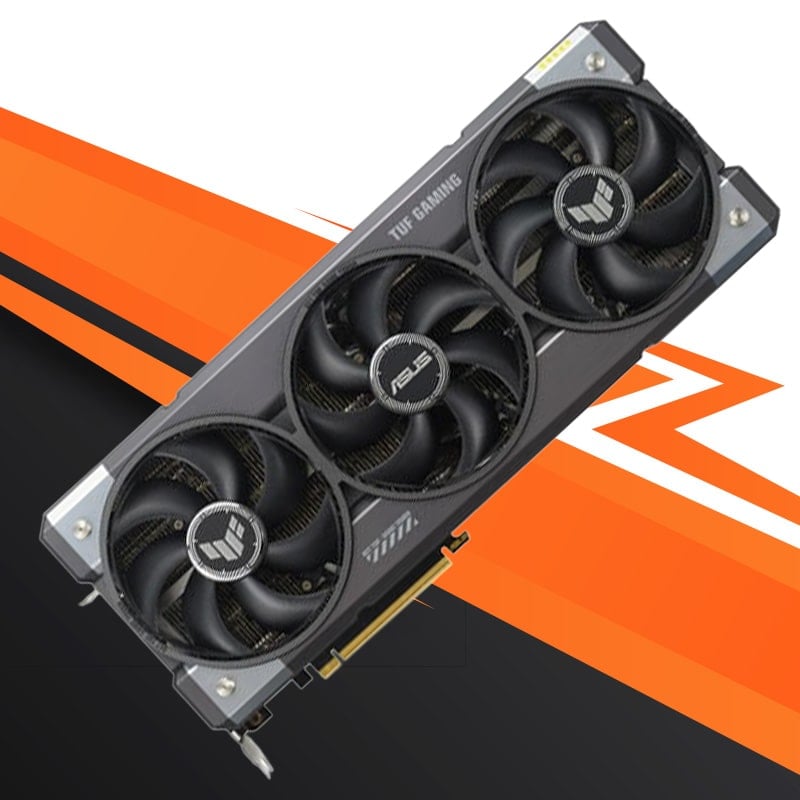
4K at high refresh, heavy ray tracing, and creative work that uses the extra memory. The step up in price is steeper than the step up in frame rate.
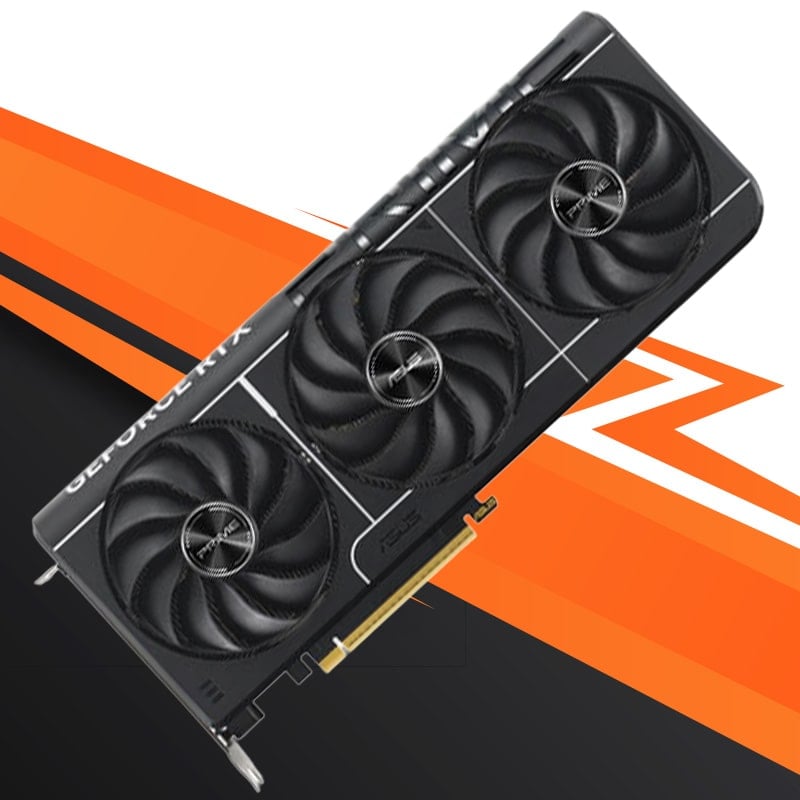
4K at high frame rates with room for ray tracing at native resolution rather than relying on upscaling.

Where most people land. Strong at 1440p, and 4K in most current titles with upscaling enabled.

1080p at high settings and competitive titles well above 100fps. The sensible starting point for a first machine.
Our GPU buyer guide covers how the cards differ, and what graphics card you need works back from what you play. If you are weighing the middle of the range, our comparison of the RTX 5070, 5070 Ti and 5080 sets out where each one stops being worth the money.
DLSS renders a game below the resolution you play at and reconstructs it, which raises frame rates substantially. On 50 series cards it can also generate additional frames. The practical effect is that a mid range card now runs games it would once have struggled with, which is why the card you need is often a tier lower than the specification suggests.
AMD's FSR does the same job and works across both brands. Our guide to DLSS and FSR explained covers where each one helps and where the image quality cost shows.
Worth considering properly rather than by habit. NVIDIA's upscaling is generally ahead and its ray tracing performance is stronger, which matters if you play the games that use it heavily. AMD tends to give you more memory for the money, which matters at higher resolutions and in games with heavy textures.
Both are in our range for a reason. Our Radeon gaming PCs cover the other side if you want to compare before committing.
If you would rather set the specification yourself, the PC configurator checks compatibility as you build.
Start from the resolution you play at rather than the model number. The 5050 and 5060 cover 1080p, the 5060 Ti and 5070 handle 1440p, and the 5070 Ti upwards is where 4K becomes comfortable. Our guide to what graphics card you need works through it in detail.
It depends what you weigh. NVIDIA's DLSS upscaling is generally ahead of AMD's FSR and its ray tracing performance is stronger. AMD tends to give you more memory for the money, which matters at higher resolutions and in games with heavy textures. Both are worth comparing, and our Radeon gaming PCs cover the other side.
It renders the game at a lower resolution and reconstructs it to the resolution you play at, which raises frame rates substantially. On the 50 series it can also generate additional frames. The result is that cards run games they would otherwise struggle with. Our guide to DLSS and FSR explained covers how it works and where it helps.
Yes. Machines with an RTX 3050, 5050 or 5060 handle 1080p gaming well and sit at the lower end of the range.
Yes. Machines with a dedicated RTX card are suitable for VR, and our VR ready gaming PCs narrow it to the ones specified for it.
Built to order systems take 6 to 8 working days, or 3 to 5 on express. Some machines in this range are in stock for next day delivery.
Narrow by card with our RTX 50 series gaming PCs, compare against AMD Radeon gaming PCs, or see every machine we build in all gaming PCs.


